
Revealed! How Fantastic Radar Technology Shaped World War 2
84 Years ago, fighters of the RAF and Luftwaffe duel above the towns and fields of England

World War 2 was a time of unparalleled technological advancement, and among the most transformative innovations was radar technology. The development and implementation of radar aided the Royal Air Force (RAF) during the Battle of Britain, providing a strategic advantage that was crucial to the Allied victory. This article delves into the origins, advancements, and significant impact of radar technology during World War 2, highlighting how this incredible invention shaped the conflict and the world thereafter.
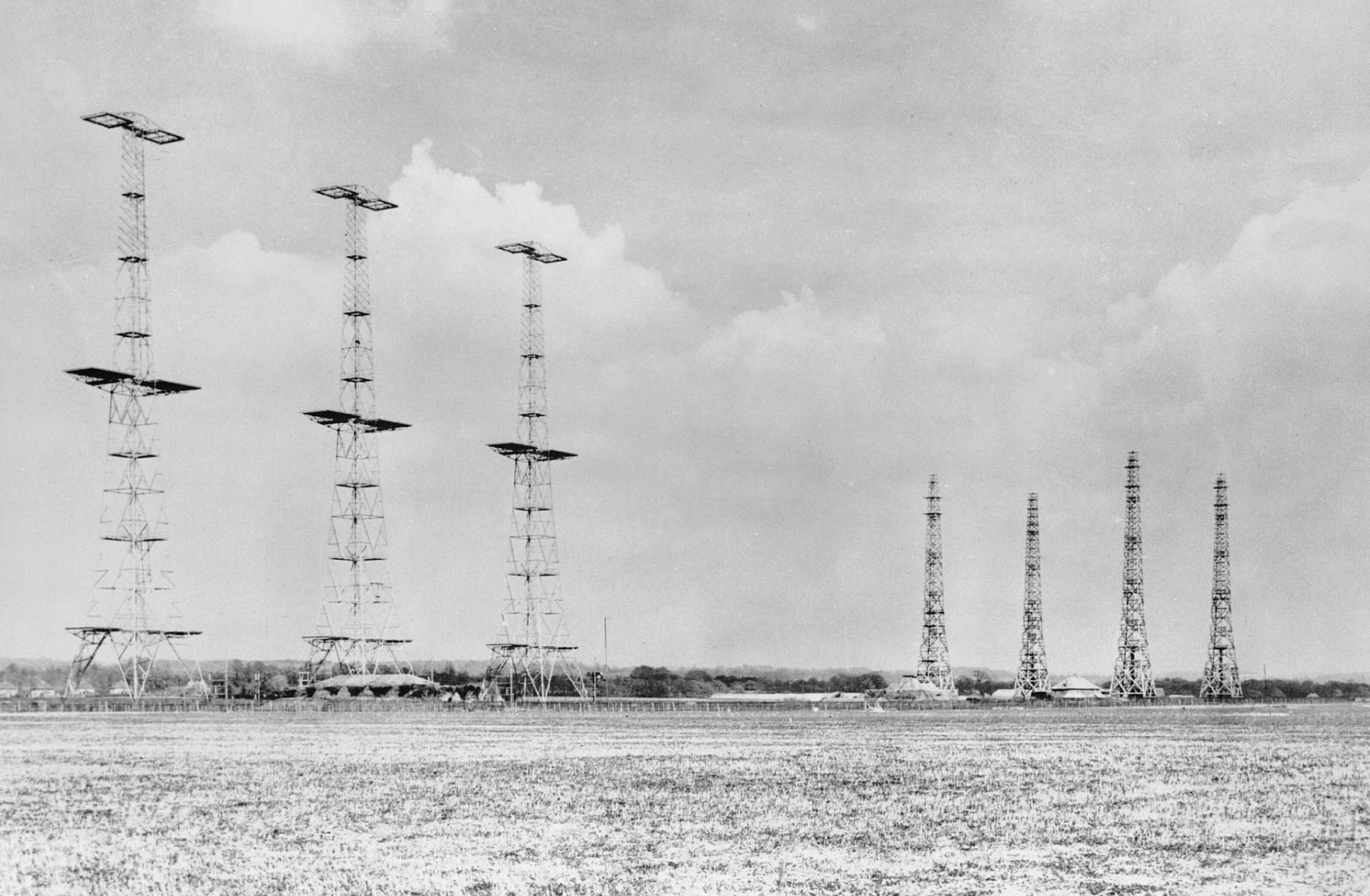
Sir Robert Watson-Watt and The Birth of Radar Technology
Radar, an acronym for "Radio Detection and Ranging," began its journey as an experimental technology in the early 20th century. Radar’s potential for military applications was quickly recognised, and by the 1930s, both the Allies and the Axis powers were investing heavily in radar research.
Sir Robert Watson-Watt was descendent of James Watt, the 18th-century inventor and pioneer of the steam engine. In Britain in early 1935, Watson-Watt and Arnold Wilkins drafted a report entitled The Detection and Location of Aircraft by Radio Methods. The paper explained how radio waves could detect aircraft.
Watson-Watt and his team's pioneering work led to the establishment of the Chain Home radar system. This network of radar stations along the coast provided early warning of incoming Luftwaffe aircraft, playing a pivotal role in the Battle of Britain. Meanwhile, Germany developed its own radar systems, though they were somewhat less advanced than those of the Allies.
By 1936, 'Chain Home (CH)' had expanded to over 20 locations, covering 100 miles covering the approaches of the North Sea. Realising CH's value, the system was extended to the west and the north of England.
Radar in Action: The Battle of Britain
The Battle of Britain in 1940 marked the first major conflict where radar technology proved its worth. The CH system enabled the RAF to detect and intercept German bombers long before they reached their targets. This early warning system gave the RAF the crucial time needed to scramble fighters and mount a coordinated defence.
Without radar, the Luftwaffe might have succeeded in achieving air superiority over Britain, potentially altering the course of the war. The effectiveness of radar allowed the RAF to conserve resources and focus their efforts where they were most needed, ultimately leading to a decisive victory.
The Evolution of Radar Technology
As the war progressed, radar technology evolved rapidly. The initial systems were relatively crude, providing basic information about the range and bearing of targets. Undeterred, the brilliant scientists continued to develop CH, and advancements in technology soon led to more sophisticated radar systems capable of greater accuracy and reliability.
One significant development was the introduction of airborne radar. The British Airborne Interception (AI) radar allowed night fighters to detect and engage enemy aircraft in darkness or poor visibility, drastically reducing the effectiveness of German night bombing raids.
The Allies also developed radar for naval applications. The United States, in particular, made significant strides in naval radar technology, which was crucial in the Pacific Theatre. Radar-equipped ships could detect enemy vessels and aircraft at great distances, providing a strategic advantage in both offensive and defensive operations.
Radar and the Battle of the Atlantic
The Battle of the Atlantic was another crucial theatre where radar technology made a substantial impact. German U-boats posed a significant threat to Allied shipping, and early in the war, they operated with impunity, sinking countless merchant vessels.
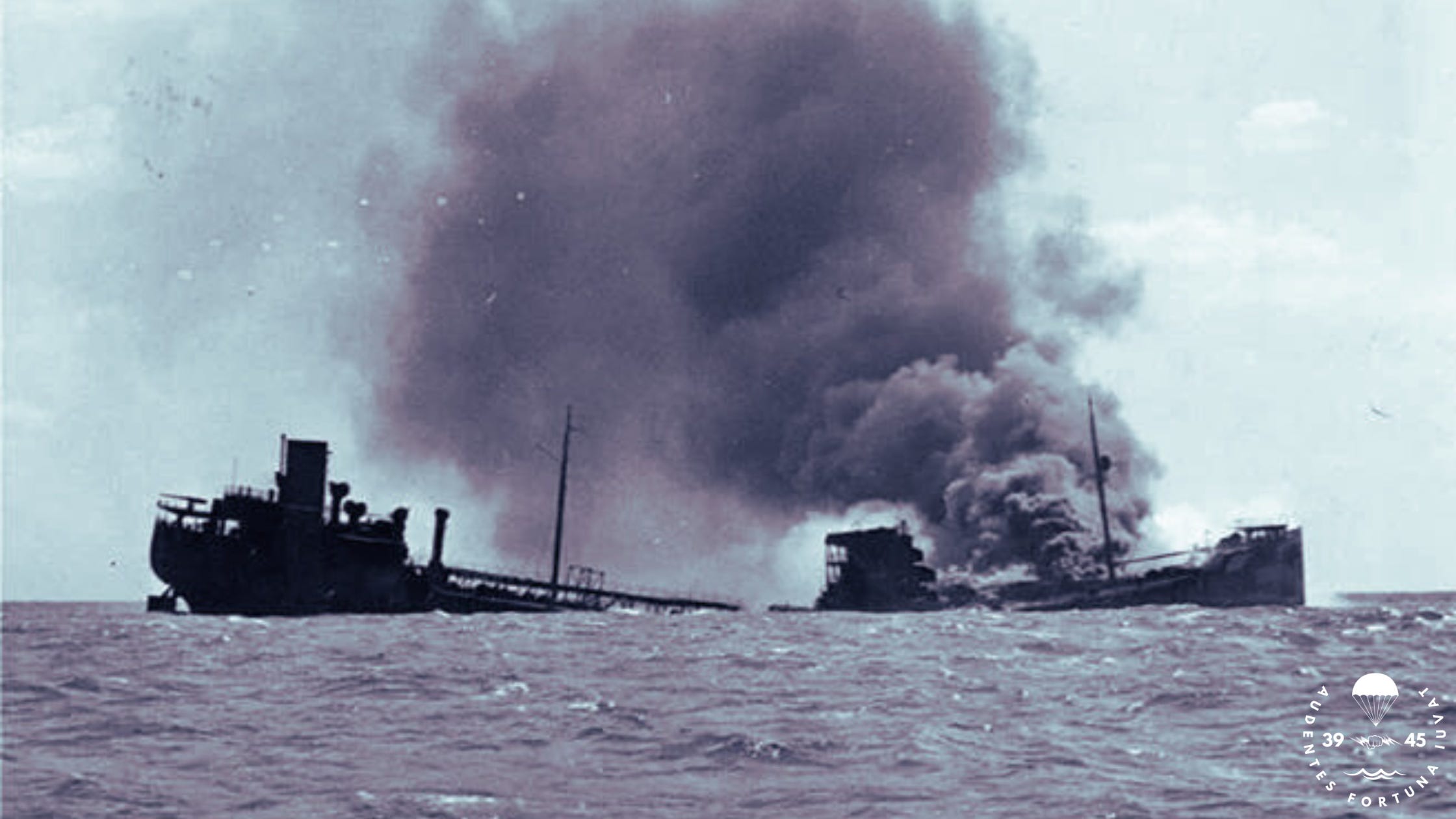
The introduction of radar-equipped aircraft and ships turned the tide in favour of the Allies. Aircraft equipped with radar could detect U-boats on the surface, even at night or in poor weather, allowing for more effective anti-submarine patrols. The development of centimetric radar, which operated at shorter wavelengths, further improved detection capabilities and rendered German countermeasures less effective.
Radar, which could see over great distances and through fog and dark, was introduced on ships in 1940 -Type 286. The first sea battle using radar was fought on March 17, 1941, 400 miles off the Shetland Islands. Bawdsay Radar.
Radar's Role in D-Day OPERATION FORTITUDE
From July 1943, a secret group of military officers, known as the London Controlling Section, began to devise a large-scale deception operation, codenamed OPERATION BODYGUARD. key objective was to mislead the Germans about the timing and location of the Allied invasion of north-western Europe. OPERATION FORTITUDE South, one of its main elements, aimed to convince the Germans that the invasion would be via the Pas-de-Calais.
Radar technology also played a critical role in the success of the D-Day landings on June 6, 1944. While many films depict a disastrous Allied Airborne drop, most troops landed within a 3 mile radius of their drop zone (DZ).
Normandy might only seem like a hop, skip and jump across the English Channel, but pilots still had to navigate their way from A to B, and back. Three technologies that allowed for a successful airborne operation were the Gee navigational system, the SCR-717 navigational radar, and the Rebecca-Eureka beaconing system.
Gee was a navigation system designed to guide RAF bombers after a series of avoidable navigational errors early in the war. The Gee navigation developed by Robert Dippy was primarily used by the RAF. Dippy's invention relied on the CH network that sent out synchronised pulses. Aircraft equipped with Gee receivers could then measure the time delay between these pulses to determine their exact position, even in poor visibility or at night.
The SCR-717 was developed by the U.S. Army Signal Corps, this radar system was primarily used for navigation and mapping by bomber and reconnaissance aircraft.
The Rebecca-Eureka system was a groundbreaking innovation, enhancing airborne navigation and coordination. The system comprised of two components—Rebecca, an airborne receiver/transmitter, and Eureka, a ground-based transponder. When an aircraft equipped with Rebecca approached a Eureka unit, the ground transponder would emit signals that Rebecca could receive and process, providing the aircraft with accurate distance and direction data. This facilitated pinpoint accuracy in operations, such as para deployments and targeted resupply missions in all weathers. The Rebecca-Eureka system's reliability and effectiveness were instrumental during the D-Day landings.
Radar Technology was a game changer during World War II
Radar technology was undoubtedly one of the most significant scientific advancements of World War II. Its impact was felt across multiple theaters of war, from the skies over Britain to the vast expanse of the Atlantic Ocean and the beaches of Normandy. The ability to detect enemy forces at a distance provided a strategic edge that was instrumental in securing Allied victories.
As we reflect on the remarkable history of radar, we recognise not only its role in shaping the outcome of World War II but also its lasting legacy in the fields of aviation, maritime navigation, and beyond.
You can tip me here 👇